The recent meeting with Flux50 members on grid congestion, risk assessment, and building resilient energy systems shows that these themes are inextricably linked. The challenges in the Flemish (and broader European) energy landscape are no longer hypothetical: grid congestion is no longer a question of “if,” but of “when.” Companies are facing a rapidly changing grid, growing electrification, an increase in renewable energy, and aging infrastructure. The consequences of these developments affect not only business continuity, but also economic growth and the competitiveness of entire regions. Our Business Area Lead Consultant, Vincent Haerinck, represented Toreon at the meeting.
The Link Between Grid Congestion and Risk
Grid congestion means that, at peak times, the electricity grid can no longer cope with demand or supply. This leads to waiting times for new connections, limitations on expansions, and potential production losses. As the speakers pointed out, this has a direct economic impact: companies that cannot expand or produce lose revenue and competitive strength. Examples from the Netherlands clearly show that Flanders is not immune to this issue.
Building Resilience: Practical Solutions
The use of batteries, smart control systems, and hybrid solutions was discussed as a way to protect business processes against grid outages or peak loads. However, technology is only one side of the story. Properly sizing backup systems, identifying critical assets, and anticipating future energy needs require a well-thought-out approach. This is where governance comes into play.
The Importance of Governance in Risk Assessment
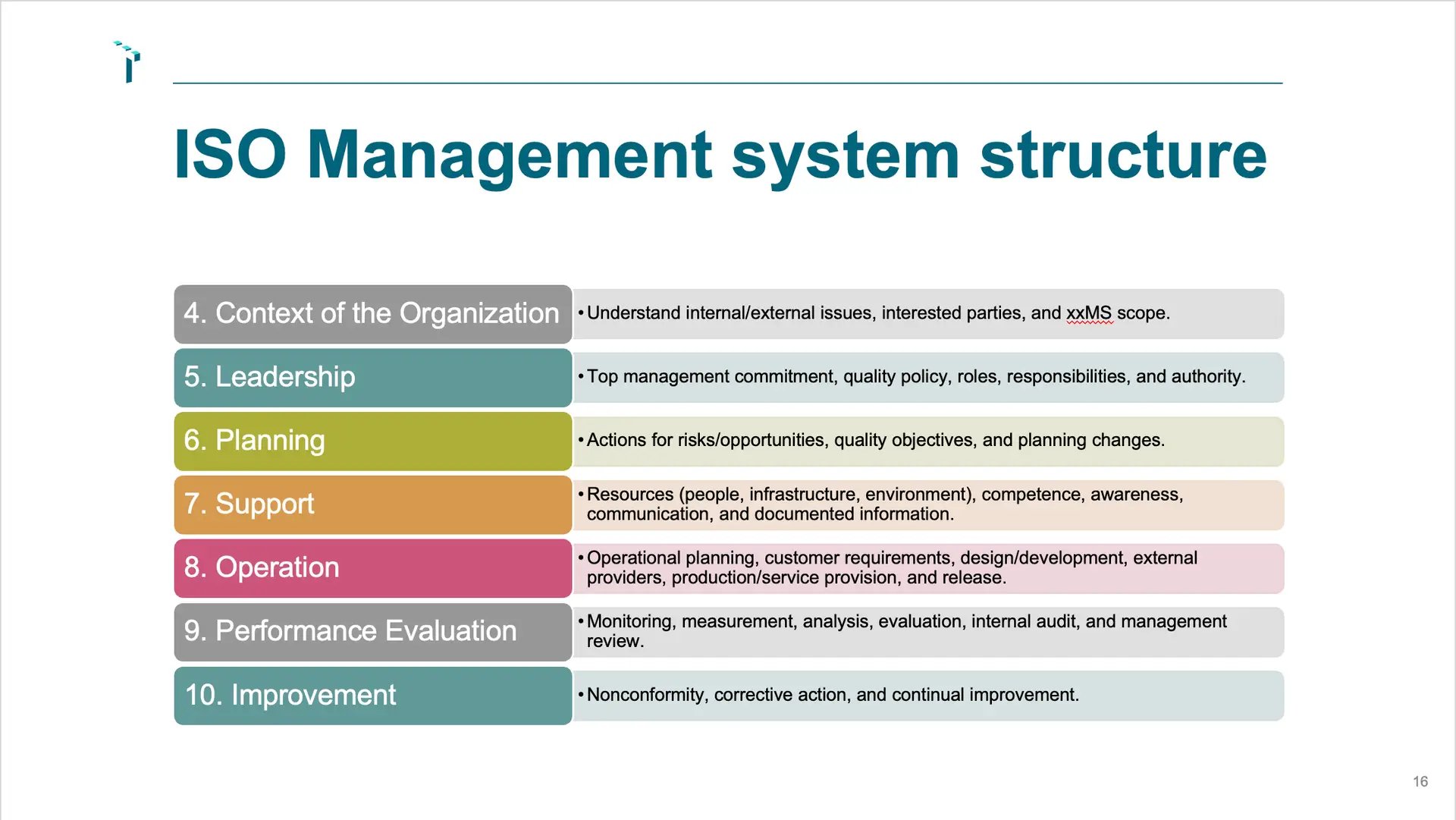
The core message from the risk assessment segment is that solid governance is essential not only to identify risks, but also to manage them structurally. This means:
- Working with formal or semi-formal risk management systems (for example, in line with ISO standards)
- Periodically evaluating risks and adjusting plans to changing circumstances
- Risks are not limited to cybersecurity alone; due to the increasing digitalization of platforms and control systems across all components of production equipment, this can no longer be overlooked when safeguarding production capacity and overall business operations
- Involving all stakeholders: from CEO to plant manager, each with their own risk profile and priorities
- Assigning clear roles, responsibilities, and resources
- Striving not only for compliance, but also for trust and resilience
Risk management is not a one-off exercise, but a continuous, iterative process that enables companies to remain flexible and resilient. Without this governance, even the best technology is insufficient to guarantee business continuity.
Conclusion: From Reactive to Proactive
The common thread throughout the meeting? Successful companies do not wait for things to go wrong; they invest in governance, risk management, and resilience before it becomes necessary. By addressing grid congestion, risk, and resilience in an integrated way and embedding them in business operations, organizations can not only absorb disruptions, but also gain strategic advantage from the energy transition.
Want to know how to concretely embed governance and risk assessment in your organization?
Get in touch with our experts for a no-obligation advisory conversation.
About the Speaker: Vincent Haerinck
Vincent Haerinck is a Principal Consultant at Toreon, an Antwerp-based cyberconsulting firm. With a deep focus on industrial cybersecurity, Vincent specializes in bridging the gap between Operational Technology (OT) and Information Technology (IT). He helps organizations navigate complex security challenges, ranging from supply chain security to compliance with emerging European regulations like NIS2 and the Cyber Resilience Act (CRA).